
You cannot control how other people explain the past. You can decide how close you stand to that past today.

A quiet place to begin
You do not have to explain everything before you are allowed to heal.
Religious harm can leave you questioning your memory, your judgement and even your right to feel hurt. You have been probably told that you are not the first one to experience what you went through, but that doesnt mean you should ignore it. You are not required to settle every question today. You do not have to forgive, reconcile, defend your beliefs or abandon them before you are ready. Begin with what you know: something affected you, and you deserve the space to understand it.
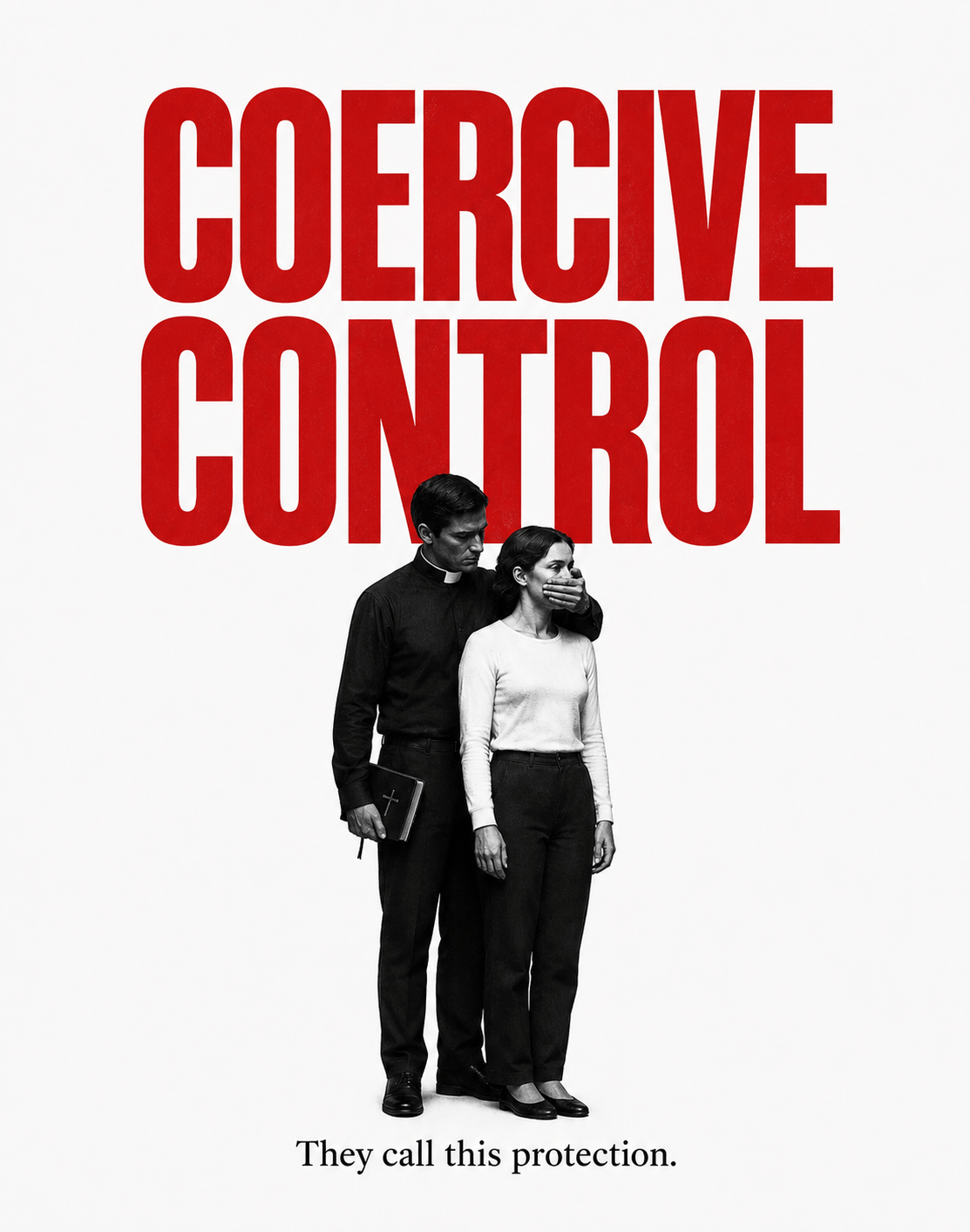
Understanding harmful control
What happened does not have to look dramatic to have changed you.
Sometimes harm hides inside beautiful religious words: love, loyalty, honour, sacrifice, family, unity, submission or faith. The words may sound harmless or even good while the reality beneath them slowly takes away your ability to say no.
You may have been expected to disclose private information, give money you could not afford, ignore your health, remain silent about misconduct or fear what would happen if you left. You do not have to solve every theological question before examining that behaviour. Begin with what you observed: what was demanded, how refusal was treated and whether your choices were truly allowed to remain your own.
Understand coercive controlChoose what you need today
There is no correct order in which to recover.
Some days you may want answers. On another day, you may only want to know that somebody else understands. Open what helps, leave what does not and return when you have more space. Nothing here is a test of whether you are healing properly.
01
I am trying to understand what happenedLearn how control, fear, bullying and spiritual pressure can slowly become normal to you.
02- Coercive control
- Faith healing
- Financial pressure
- Research guides
I want to hear from people who understandRead survivor stories at your own pace, without being forced into the most difficult details.
03- Topic filters
- Content warnings
- Short summaries
- Privacy choices
I need to think about my safetyConsider practical steps concerning records, healthcare, finances, housing and independent advice.
04- Immediate risk
- Personal safety plan
- Digital privacy
- Independent support
Someone I care about is still insideExplore ways to remain present without turning every conversation into an argument about leaving.
05- Conversation scripts
- Safety planning
- Digital risk
- Academic research
I may want to tell my storyUnderstand the privacy choices before deciding whether you want to share anything.
06- Prepare privately
- Choose your identity
- Add optional media
- Withdraw or delete
I need to leave this page quicklyUnderstand what Quick Exit can and cannot hide before relying on it.
- What opens
- History limits
- Safer devices
- Monitoring risks
Quiet thoughts for difficult days
Not everything is within your control, but that does not make you powerless.
It does not help to pretend that pain does not exist. It can be more useful to ask: now that this has happened, what still belongs to me? These reflections are invitations to consider, not rules you must accept.
A title, a pulpit or a congregation does not remove your right to observe what happened and name it honestly.
Healing does not mean never feeling anger or fear. It can begin with refusing to let one passing emotion choose every action for you.
Educational resources
Decide how much detail to open.
Each article offers a brief overview, key points, a full explanation, practical options and further reading. Sensitive material is labelled before it appears.
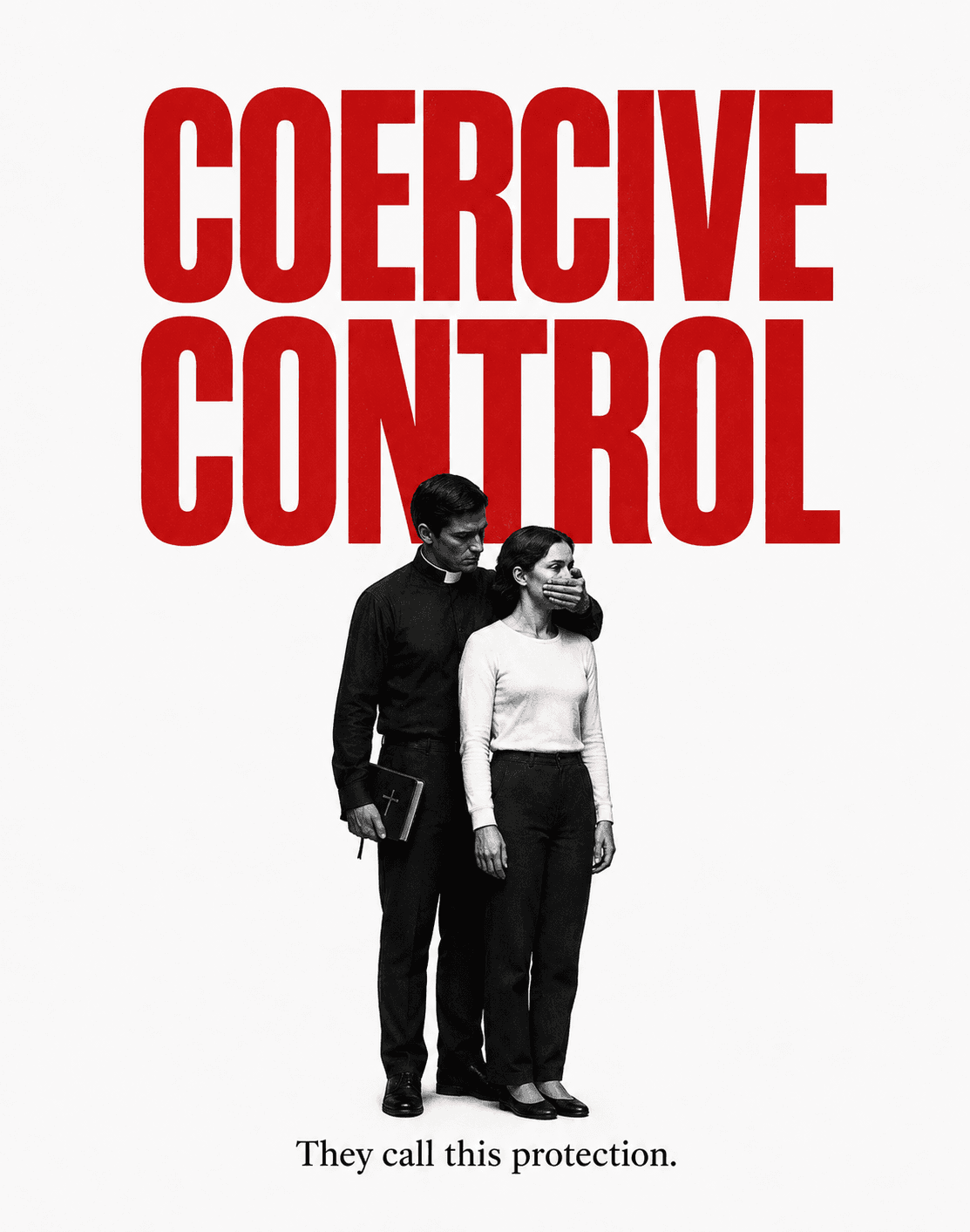
16 min · moderate intensity
How to prepare to report harm in a church in the UK
A research-informed UK guide to documenting harm, protecting yourself, understanding disclosure barriers and preparing a clear report to the right authority — especially if you are still attending the church.
Choose level of detail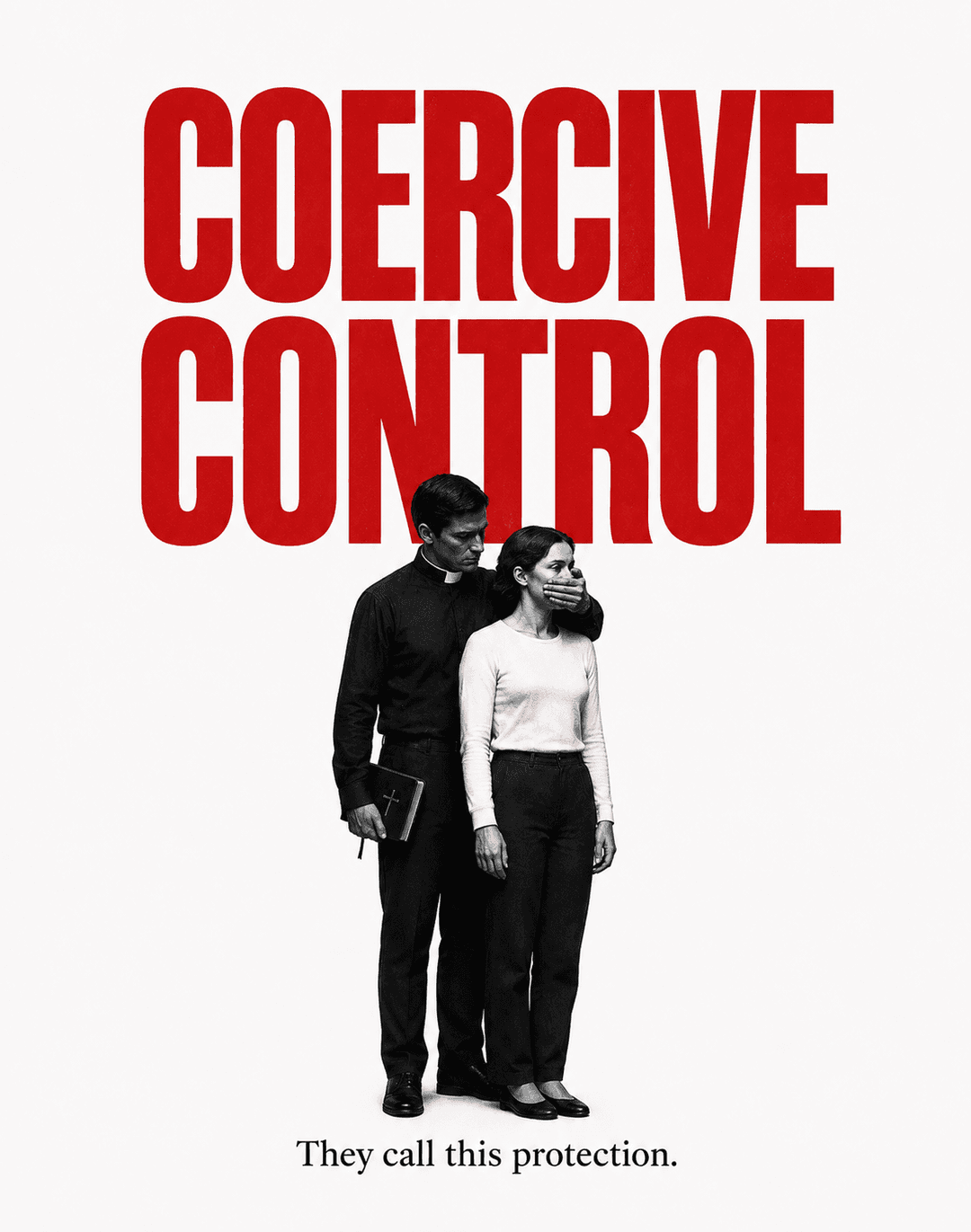
16 min · moderate intensity
Recognising coercive control in religious settings
An evidence-based guide to how sacred authority, fear, isolation and dependence can narrow a person's practical freedom — and how to distinguish strict belief from coercive behaviour.
Choose level of detail
16 min · high intensity
Faith-healing claims and medical decisions
A research-based guide to separating spiritual experience from medical evidence, understanding placebo and expectancy effects, and protecting treatment when a healing claim has been made.
Choose level of detail
Survivor stories
Read without being pushed into the most difficult detail.
Filter by topic, intensity, reading time, identity display, background and media format. Every story opens with a notice and a short-summary option.
Open Story FiltersHow story submission works
You see the privacy consequences before you submit.
Choose whether your name, the church name, both, or neither should appear. Preview the public identity before uploading anything. Nothing is published automatically.
Your text and media enter a private review area without requiring an account.
A reviewer checks for addresses, contact details, names, medical records and information that could expose another survivor.
When a proposed change affects meaning, the reviewer records it for your approval instead of silently rewriting the story.
Request correction, change the privacy level, unpublish temporarily or permanently delete the submission and uploaded media from the same device.

Who is behind AfterTheChurch
Built by survivors and advocates, not controlled by a religious ministry.
AfterTheChurch was created for people who know how difficult it sis to survive in and question a religious community. We are developing clear information about leadership, funding, safeguarding, editorial decisions and conflicts of interest.
We do not claim independence, confidentiality or professional expertise beyond what can be documented. Where a team member uses a pseudonym for safety, their role can be explained without exposing private information.
About the projectSupport and urgent help
This website is not an emergency or clinical service.
When there is immediate danger, severe medical risk, violence, stalking, abuse of a child, or risk of suicide or self-harm, contact appropriate emergency or specialist services in your location.
Review Safety Information